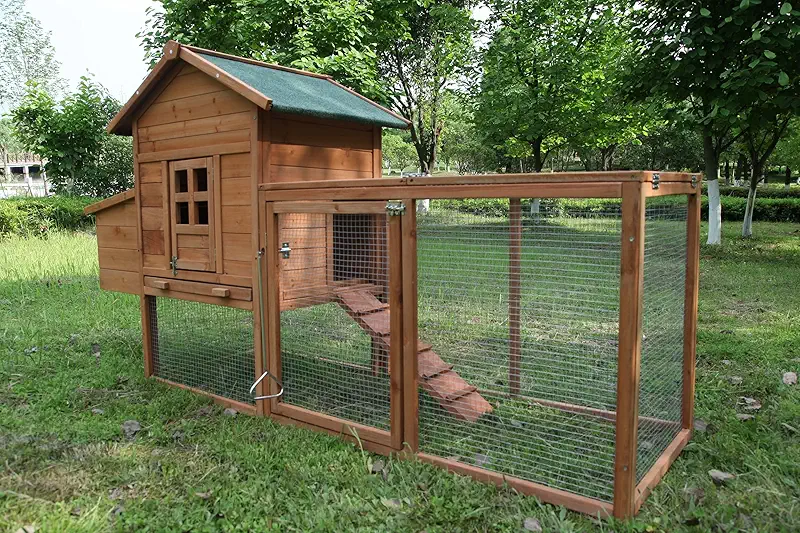
Backyard hens, done right
2x4 chicken coop
2X4 Chicken Coop
Out here on the farm, I’ve learned you don’t need a palace for happy hens.
A simple, well‑planned 2x4 chicken coop can turn a small backyard into a steady egg basket,
if you build and use it the right way.
In this guide I’ll walk you through how a 2x4 coop really works in day‑to‑day life, how many hens it can honestly hold, and the little old‑farmer tricks that keep birds laying, safe, and calm.
What a 2x4 chicken coop is really good for
When folks ask me about a 2x4 chicken coop, I tell them this: think of it like a snug little cabin, not a barn.
It shines when you keep your flock small and your expectations honest.
I’ve kept birds in everything from old sheds to fancy walk‑in coops, and a 2x4 can work beautifully if you respect its limits.
That footprint is usually enough for 3 to 4 hens to sleep, lay, and stay out of bad weather,
as long as they get some outdoor time during the day. For city and suburban backyards, that’s often the sweet spot:
just enough eggs for breakfast, not enough work to feel like a second job.
How many hens can live in a 2x4 chicken coop?
Now, store boxes like to brag about “8–10 chickens!” on the label.
I just smile and shake my head. Those numbers are written by somebody who’s never chased a wet hen in a thunderstorm.
| Flock size |
Is it realistic in a 2x4? |
What I’ve seen on the farm |
| 2 hens |
Very comfortable |
Plenty of room, easy to keep clean, quiet and calm. |
| 3–4 hens |
Good, with run access |
Works well if they have an outdoor run most days. |
| 5–6 hens |
Borderline |
Only if you’re in a mild climate and they free‑range daily. |
| 7+ hens |
Too tight |
Leads to pecking, mess, and stressed birds. I don’t recommend it. |
I keep my numbers simple: 1 hen per 2 square feet inside is my winter rule of thumb,
and a 2x4 chicken coop gives you about 8 square feet. That’s why I tell new keepers to stick to 3–4 layers if they want peace and clean eggs.
Remember, a coop is mostly for sleeping, laying, and hiding from bad weather or predators.
The more time your hens spend outside in a safe run, the more forgiving that little footprint becomes.
Key features I look for in a 2x4 chicken coop
After enough winters scraping frozen droppings off wood, you learn what really matters.
When I look at a 2x4 chicken coop, I don’t care much about cute windows or paint colors.
I care about whether it makes my chores easier and keeps the birds healthy.
1. Solid floor and dry bedding
Damp floors are the enemy. I’ve seen more respiratory troubles from wet bedding
than from cold weather. Whether the 2x4 coop has a wood floor or metal tray,
it needs to stay dry and drain well.
- Floor slightly higher than the run, so rain doesn’t flow in.
- No big gaps for drafts right at bird level.
- Room for at least 2–3 inches of shavings or straw.
Tip from my own yard: if I squeeze a handful of bedding and it clumps like a snowball,
it’s too damp and time to change it.
2. Ventilation, not wind
Chickens handle cold better than damp, still air.
A good 2x4 chicken coop has vents high up under the eaves, not right where the hens roost.
- At least two vents or windows you can open and close.
- Mesh that keeps out raccoons, weasels, and rats.
- Airflow above their heads, not blowing on their backs.
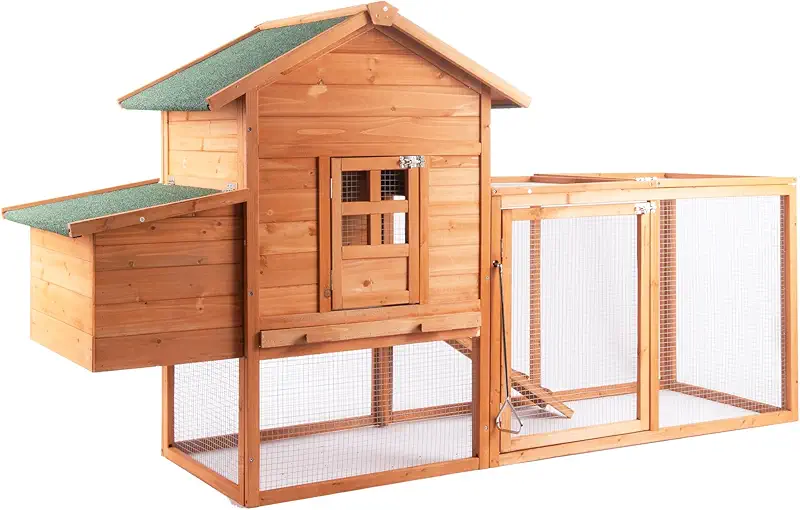
A compact 2x4 chicken coop with raised floor and side door makes chores faster and keeps hens off the damp ground.
3. Roost space that actually fits them
Hens like to sleep up on a perch. In a 2x4 coop, you don’t have room to waste,
so the roost needs to be just right.
- Use a 2x2 or the wide side of a 2x4, edges softened.
- Plan about 8–10 inches of roost per hen.
- Higher than the nest boxes so they don’t sleep in the nests.
4. Nest boxes that stay tidy
I like one nest box for every 3 hens. Truth is, they all line up to the same favorite box anyway,
like ladies at the farmers’ market coffee stand.
- Low lip to keep bedding in, but high enough to keep eggs from rolling out.
- Easy to reach from outside with a lift‑up lid or side door.
- Shade and a sense of privacy so hens feel safe laying.
My daily routine with a 2x4 chicken coop
Let me walk you through a normal day on my place when I’m using a 2x4 chicken coop for a small laying flock.
It’ll give you a feel for what living with one is really like, not just the catalog pictures.
Morning: open up and quick check
I start with coffee in one hand and feed scoop in the other.
I pop open the coop door and let the girls step out into their run.
In a tight 2x4 coop, good morning airflow is important, so I crack the vent if it’s been cold and closed all night.
I check a few things while I’m there:
- Waterer clean and not frozen.
- Feed level high enough for the day.
- Bedding not soaked or smelling sharp like ammonia.

Side doors and outside nest access turn a small 2x4 chicken coop into a very easy morning stop.
Midday: eggs and quick tidy
By lunchtime, I usually have the day’s first eggs.
With a good access door on the side of a 2x4 chicken coop, I don’t even need to step inside.
I scoop eggs, fluff the nesting material if it’s flattened, and pull out any dirty spots.
In a small coop, little messes turn into big smells fast.
I’ve made it a habit to take two minutes a day to pull any wet bedding and toss in a fresh handful.
That tiny bit of effort keeps my hens’ lungs happier than any fancy supplement.
Evening: count heads and close up
At dusk, the girls put themselves to bed. My job is just to lock the place up tight.
With a 2x4 chicken coop it’s easy to count everybody; they’re right there on the roost like feathery loaves of bread.
I always:
- Count every hen on the perch.
- Check latches so raccoons can’t fiddle them open.
- Glance at the corners for drafts or leaks after a rain.
Old farmer’s shortcut
I keep a small metal pail with dry shavings right beside the 2x4 chicken coop.
If I spot a damp patch, I don’t “do it later.” I fix it while I’m there.
Two minutes daily beats an hour of scraping next weekend.
Setting up a 2x4 chicken coop for happy laying hens
You can put hens into any box with a roof, but if you want steady eggs and calm birds,
you’ve got to set that 2x4 chicken coop up with some thought.
I’ve ruined enough shirts carrying squawking hens to learn what they like.
1. Choosing the right spot in your yard
Chickens don’t like mud or blazing heat any more than you do.
A good spot makes everything easier.
- High ground: avoid low spots where rain pools and turns the run into a swamp.
- Some shade: trees or a fence line help keep summer sun off the coop.
- Close enough: you want it near water and close enough to see from the house.

A 2x4 chicken coop placed on higher, drier ground keeps both hens and boots cleaner all year.
2. Planning the run around a 2x4 coop
A small coop really comes alive when it’s paired with a decent run.
Think of the 2x4 as the bedroom and the run as the living room and yard.
I usually aim for 8–10 square feet of run per hen.
For 3–4 hens, that’s not much space to fence off, and it keeps them from turning everything into bare dirt too quickly.
- Use hardware cloth, not just chicken wire, down low to stop predators.
- Bury or flare the bottom edge to slow down digging critters.
- Add a bit of overhead cover for shade and hawk protection.
3. Feed, water, and grit placement
In a 2x4 chicken coop you can’t waste floor space, so I like to keep the big feed and water gear out in the run, under cover.
Inside the coop I might hang a small backup waterer for winter.
Chickens also need grit to grind their feed, especially if they’re not on sandy soil.
I keep a little bowl of granite grit near their feed, and another of oyster shell so my layers stay strong‑shelled.

Simple access doors and a compact layout make it easy to hang feeders and waterers off the ground.
Common mistakes I see with 2x4 chicken coops
I’ve helped a lot of neighbors fix up their first coops.
The 2x4 chicken coop is a favorite starter size, but it comes with a few traps I see over and over.
Stuffing in too many hens
It’s tempting to “just add a couple more.” Next thing you know,
you’re watching feather picking and sleep‑time squabbles.
When birds don’t have room to move, the lowest ones on the pecking order pay the price.
Bald backs, bloody combs, and broken eggs are your warning signs.
Not planning for weather
That cute little 2x4 chicken coop on the box might be shown in perfect sunshine.
Real life brings sideways rain and January winds.
Think ahead about snow load on the roof, prevailing winds, and how you’ll keep water from freezing.
A cheap tarp and a windbreak fence have saved more chickens on my place than any fancy gadget.

Small coops need smart roof design and predator‑proof latches to handle real farm weather and curious critters.
Forgetting about cleaning
In a bigger walk‑in coop, you can get lazy and still squeeze in to clean once a month.
With a 2x4 chicken coop, you need good access doors or removable trays, or cleanup turns into an acrobatic act.
I look for:
- A big enough side door to reach the back corners.
- Droppings trays under the roost for quick scraping.
- Simple surfaces without a lot of tiny ledges and cracks.
My honest thoughts on using a 2x4 chicken coop long term
A 2x4 chicken coop can serve you for many years if you use it within its limits.
I’ve got one that started as a “temporary” setup and ended up being my favorite home for a small flock of specialty layers.

With a good run and smart ventilation, a 2x4 chicken coop can keep a small flock thriving for many seasons.
For a backyard family that just wants enough eggs for breakfasts and baking,
three or four hard‑working hens in a 2x4 chicken coop are often just right.
Less feed, less mess, and you still get that soft morning clucking that makes a yard feel alive.
If you think you might get “chicken math” later—that mysterious force where four hens quietly become twelve—then plan on this:
keep the 2x4 as your starter or “overflow” coop, and be honest that you may want a bigger one down the road.
When a 2x4 coop shines
I like a 2x4 chicken coop best for:
- Beginner keepers wanting a gentle start.
- Folks with tight yard space or close neighbors.
- A second coop for young pullets or a breeding trio.
Frequently asked questions about 2x4 chicken coops
How many chickens can I realistically keep in a 2x4 chicken coop?
In my experience, 3 to 4 full‑size hens is the honest answer for a 2x4 chicken coop,
as long as they have a run or free‑range time every day. You can squeeze more in on paper,
but the birds will tell you with pecking, stress, and dirty feathers that they aren’t happy.
Is a 2x4 chicken coop big enough for winter?
It can be, if you keep the flock small and the coop well ventilated but not drafty.
I block strong winds, add extra dry bedding, and make sure the vents are up high.
Chickens wear feather coats; they handle cold just fine as long as the air stays dry and the floor isn’t damp.
Do I need a separate run with a 2x4 chicken coop?
I strongly recommend it. A 2x4 chicken coop works best as a sleeping and laying space,
not the birds’ full‑time home. A basic run gives them room to scratch, dust bathe,
and stay out of trouble, without you needing to turn the whole yard over to them.
How often should I clean a small 2x4 coop?
I like to do a quick touch‑up every day or two—pull out wet spots, add a little fresh bedding—
and then a deeper clean every couple of weeks. In a small space, little messes add up fast,
so staying ahead of it keeps the air sweet and the hens healthier.
Can I start with a 2x4 chicken coop and expand later?
Absolutely. Many folks I’ve helped start with a 2x4 coop for a small flock,
then later add a bigger walk‑in coop while keeping the little one for young birds or a separate group.
As long as you buy or build something solid and well‑designed, a 2x4 coop will stay useful on your place for years.
Choosing your own 2x4 chicken coop
If you’re standing there wondering whether a 2x4 chicken coop is the right start for you,
ask yourself a few simple questions:
- How many hens do I truly want, not just today, but a year from now?
- How much time do I honestly have for chores and cleaning?
- Where in my yard do I have a dry, safe spot with some shade?
If your answers lean toward “just a few hens” and “I want chores to be quick,”
then a 2x4 coop with a well‑planned run can be a fine choice.
Compact, easy to manage, and simple to check before work or after supper.

Different 2x4 chicken coop designs offer varied layouts; pick the one that fits your yard and your daily routine.
There are plenty of designs out there—from simple A‑frames to raised coops with underneath runs.
Look for strong hardware, predator‑proof wire, decent wood, and doors big enough for your hands and your broom.
The birds don’t care about fancy, they care about safe, dry, and quiet.
Ready to look around?
If you’d like to see different ways folks have solved the 2x4 chicken coop puzzle,
take a quiet minute and browse through the options. Picture your own hens in there,
scratching, settling on the roost, and waiting to greet you in the morning.
Let me see more
And when you’re ready to think bigger than one little coop, you can also take a stroll through all the different chicken coops folks are using these days.
Show me all coops