
All Purpose Sand For Chicken Coop
All Purpose Sand For Chicken Coop
I’ve kept laying hens on dirt, shavings, straw, and just about everything else you can toss on a coop floor. When I finally tried all purpose sand for my chicken coop, my chores eased up and my hens looked cleaner and happier. Let me walk you through how sand really works in a backyard coop, without any fancy talk.
This sand might help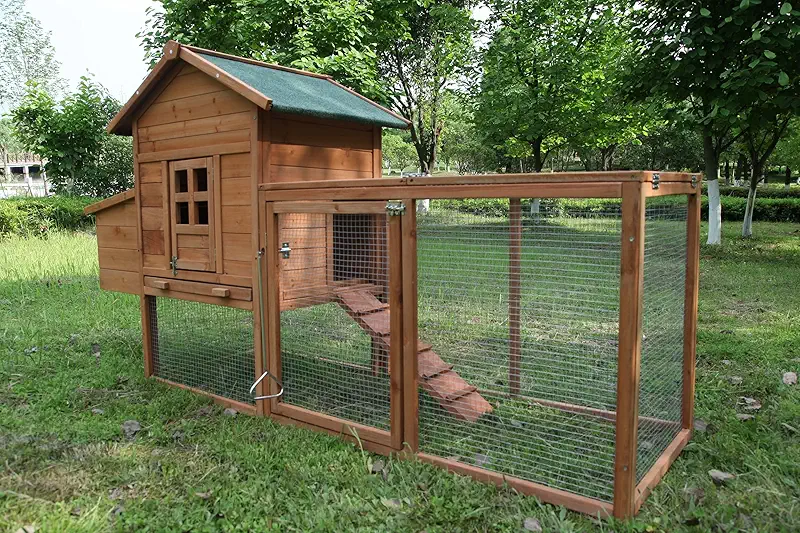
Why I Switched To All Purpose Sand In My Coop
I grew up with chickens scratching on plain dirt and whatever straw we had left from the cows. It worked “well enough,” but the coops stayed damp, smelled strong, and I spent half my life with a shovel in my hand. Years later, when I started my own little laying flock, I decided to try all purpose sand for the chicken coop floor and run.
At first, I’ll be honest, it felt strange. Chickens on sand? Sounded more like a beach trip than farm work. But within a week I noticed a few things: the coop dried faster after rain, the smell dropped way down, and my boots stayed cleaner. The hens dust-bathed like they were at a spa, and I wasn’t breaking my back with deep bedding.
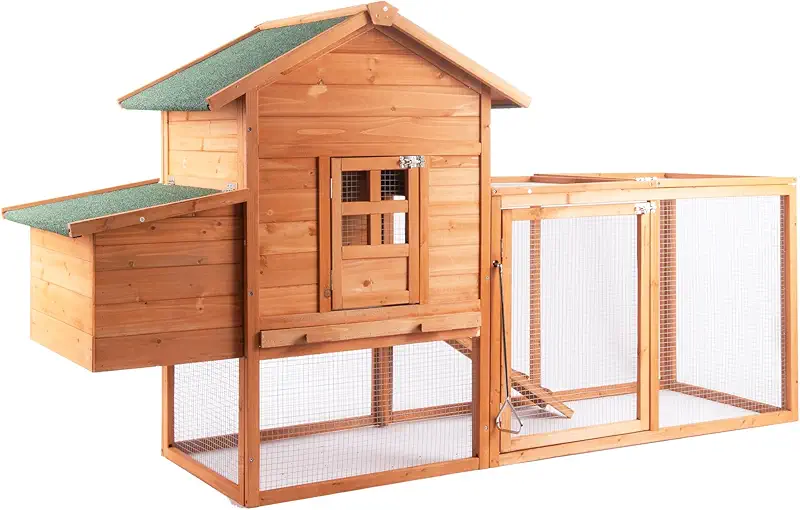
Now, I won’t tell you sand is magic. It isn’t. It’s a tool, and like any tool, you’ve got to use the right kind and use it the right way. But for many small flocks, especially in wetter areas or tight backyards, all purpose sand in the chicken coop can make life easier for both you and the birds.
What “All Purpose Sand” Means For Chickens
When folks say all purpose sand for chicken coop, they usually mean a general construction sand: natural, washed, and fairly coarse. Not play sand, not powdered stone, and not something that turns to slime when wet.
The kind of sand chickens do best on
- Coarse, gritty grains – more like tiny pebbles than powder.
- Washed and clean – less dust for both you and the birds.
- Mixed particle sizes – helps with drainage and gives some natural grit.
That mix drains rainwater, lets droppings dry out, and doesn’t pack down into a hard pan. The hens scratch through it, pick up a bit of grit for their gizzards, and use it to dust-bathe.
Sands I avoid in my coop
- Fine play sand – too dusty, can clump, and doesn’t drain as well.
- Masonry sand only – often ground very fine; tends to hold moisture.
- Sharp, crushed stone “dust” – can be hard on feet and lungs.
If a bag looks like it belongs in a kids’ sandbox, I keep it away from my hens’ lungs. I want something that looks more like what you’d spread under pavers or use for general construction work.

Quick sanity check: grab a handful, squeeze it, and open your hand. Good all purpose sand for chicken coop floors will mostly fall apart instead of staying in a tight lump like wet beach sand.
When in doubt, I look for all purpose sand meant for outdoor building projects, not for children’s play areas. The grain size usually suits hens much better.
Where Sand Works Best: Coop Floor, Run, And Dust Bath
Not every corner of your setup needs sand, and not every corner should have it. Over the years I’ve found three spots where all purpose sand in a chicken coop really shines.
1. Coop floor (especially raised coops)
In a raised coop with good ventilation, a few inches of all purpose sand on the floor can turn cleaning into a quick scrape each day. Droppings dry out on the surface, you sift them off with a scoop, and the sand stays put.

On my first “sand coop,” I started with about 2–3 inches of sand over sturdy boards. I stirred it once in a while with a rake, and every morning I’d do a quick scoop under the roosts, kind of like cleaning a big litter box. It took a few minutes instead of a big Saturday clean-out.
2. Covered or partially covered run
If your run turns into a muddy soup every time the sky sneezes, all purpose sand in the chicken run can be a lifesaver. It won’t fix poor drainage by itself, but it sure beats ankle-deep muck.
- Helps keep feet dry and clean.
- Cuts down on muddy eggs and muddy boots.
- Lets hens scratch and dust-bathe even after a good rain.
In my wettest corner, I laid down a layer of gravel first, then topped it with sand. That way, the water had somewhere to go, and the sand didn’t just disappear into the mud.
3. Dedicated dust bath area
Chickens don’t take water baths like ducks. They bathe in dust. I keep a low wooden box filled with a mix of all purpose sand, a bit of dry soil, and sometimes wood ash from the stove.
When you give hens a good dust bath spot, they’ll flop down, kick sand all over themselves, and wriggle around like they’re on vacation. That dust works its way down to the skin and helps discourage mites and lice. You’ll get a good laugh watching them, too. They look half dead and fully delighted.
How I Set Up All Purpose Sand In A Chicken Coop
If you’re thinking of trying all purpose sand for chicken coop floors or runs, here’s how I usually do it, step by step. Nothing fancy, just what has worked on my place.
1. Check the base and drainage
Sand works best on a solid, well-drained base. If your coop sits over plain bare ground that stays soggy, sand alone will only help so much. I like:
- Wooden floor or strong decking inside the coop.
- Gravel or rock base in the run where water tends to sit.
- A slight slope so water knows which way to leave.
If you already fight standing water, fix that first. Sand is not a miracle drain tile.
2. Depth: how much sand I use
For most spots, I aim for about 2–4 inches of sand. Less than that and it wears thin fast. Too deep and it can hold more moisture than I like.
- Coop floor: 2–3 inches is plenty.
- Run: 3–4 inches, especially where hens dig a lot.
- Dust bath box: 4–6 inches so they can really wallow.
3. Spreading and leveling
I dump the bags or wheelbarrow loads in a few piles, then spread them with a metal rake. You don’t need it perfectly level; the hens will do some of the shaping for you. I just make sure there are no bare patches and no big low spots that might puddle.
4. Daily upkeep: my simple routine
My morning chicken visit goes something like this:
- Say hello to the girls (they expect it).
- Scrape and scoop droppings under the roosts.
- Pick out any obviously wet clumps or spilled feed in the sand.
- Give the sand a quick rake every few days to loosen it.
With sand on the floor, there’s no giant bedding clean-out day. Instead you do a little bit often. My back appreciates that arrangement.
Pros And Cons Of All Purpose Sand In Chicken Coops
I’m a farmer, not a salesman. So here’s the honest rundown of what I’ve seen, good and bad, using all purpose sand for chicken coop floors and runs.
What I really like
- Fast drying: After a rainy spell, my sand runs dry out much faster than bare dirt or deep wood chips.
- Cleaner eggs and birds: Less mud on feet means cleaner nest boxes and eggs.
- Easy to spot clean: You can sift out droppings and leave the sand in place.
- Great dust bath material: The hens act like kids in a leaf pile.
- Less smell when managed: Droppings dry out instead of rotting, so the smell drops.
What you need to watch out for
- Cold floors in winter: Sand doesn’t hold warmth like deep bedding. In cold climates, I often switch to deeper shavings inside the coop for the coldest months.
- Weight: Sand is heavy. If your coop floor is weak or rotting, fix that first.
- Dust from the wrong sand: Fine or poor-quality sand can be dusty, which isn’t good for lungs.
- Doesn’t “make” compost in place: With sand, you remove droppings regularly instead of letting them break down in deep litter.

For my setup, the pros win most of the year. But where winters get truly bitter, or where folks want a “composting” deep litter system, sand inside the coop might not be the best fit.
My Tips For Using All Purpose Sand Safely
Using all purpose sand for chicken coop care is simple, but a few small habits make a big difference in bird health.
Keep the air moving
Good ventilation matters with any bedding, but I find it extra important with sand. Fresh air helps dry droppings and carries away ammonia before it builds up.
- High vents on at least two sides of the coop.
- Openings protected with hardware cloth, not just chicken wire.
- Doors or windows you can crack even in winter, without putting birds in a draft.
Don’t let feed spill and sit
Feed plus moisture plus warmth means bacteria and smell. I hang my feeders or set them on a block, and I scoop up any big spills from the sand. I’d rather feed the compost pile than the local mice.
Refresh the sand when it’s tired
Over months and seasons, some sand walks out on chicken feet, gets shoveled into the compost with droppings, or just breaks down into finer dust. A couple of times a year I:
- Take out the dirtiest sand from under roosts.
- Top off with fresh all purpose sand where it’s running thin.
- Rake everything level again.

I treat sand like I treat my work boots: they last a long time, but every now and then you need to knock the mud off and patch them up.
Sand, Hen Health, And Egg Production
A lot of folks ask me if switching to all purpose sand for chicken coop floors changed how well my hens lay. The short answer is that sand by itself doesn’t lay eggs. Happy, healthy hens do.
What sand does is help support that health:
- Drier feet and cleaner legs mean fewer little cuts and less chance of infection.
- Good dust baths lower mite and lice pressure, which keeps hens more comfortable and laying steady.
- Cleaner runs and coops lower the load of bacteria they live in every day.
When I first moved a flock from a muddy, packed-dirt run onto a sand-based run, I didn’t see an overnight jump in egg numbers. But over time, I saw fewer foot problems, nicer feathers, and birds that moved around more. Birds that feel good tend to keep laying well into their second and third seasons.

I still make sure they get a balanced layer feed, fresh water, a bit of oyster shell on the side, and some room to act like chickens. Sand just helps keep the “house” cleaner while they do their thing.
Is All Purpose Sand Right For Your Flock?
Before you haul in a load of all purpose sand for your chicken coop, take a moment to think about your place:
- Climate: If you live where it’s cold and damp much of the year, you might use sand mostly in the run and a different bedding inside the coop in winter.
- Drainage: If water already stands everywhere after rain, fix that first.
- Back strength: If moving heavy sand sounds rough, look for bagged options and tackle it in small bites.
- Flock size: Bigger flocks make more mess; you’ll scoop more often with sand, but it’s still manageable if you stay on top of it.
For many backyard keepers, especially with smaller flocks of 4–12 hens, a layer of all purpose sand in the coop and run can turn a sloppy chore into a simple daily habit.

If you decide to try it, start with one area first—maybe just under the roosts or in a corner of the run. See how your birds use it. If they spend all day there dust-bathing and scratching, you’ll have your answer before I need to convince you of anything.
FAQ About All Purpose Sand For Chicken Coops
If sand feels like the right fit for your flock, you might want to look over different coop styles and layouts so everything works together the way you like.
I’ll browse coops now