
Chicken coop gravel
Chicken Coop Gravel: keep your hens dry, your boots clean, and your mornings a little easier.
Around my place here in the States, I learned fast that the ground under a coop will either work with you or fight you every single day. When I switched to chicken coop gravel in my main run, the smell dropped, the mud disappeared, and my hens started strutting like they owned the farm. In this guide I’ll walk you through how I use gravel under and around my coops, what type has worked best, and a few mistakes I made so you don’t have to repeat them.
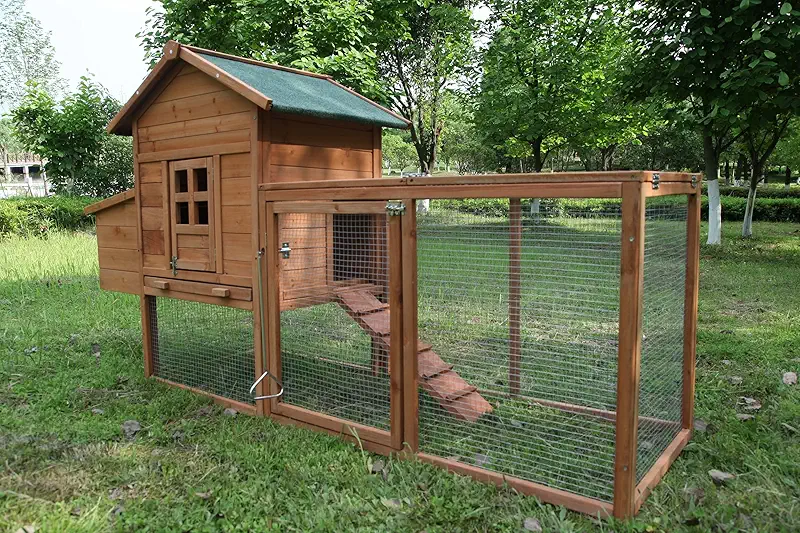
A good gravel base can turn a muddy chicken yard into a dry, solid working area.
Why I started using chicken coop gravel
I didn’t grow up with fancy coops. Our chickens shared muddy ground with old tractor ruts and whatever the rain decided to leave behind. It worked well enough when we had a few hens, but once I got serious about laying hens, the mud became a daily problem. Wet feet turned into dirty eggs, and wet litter turned into smell that could knock a buzzard off a gut wagon.
One spring we had a week of solid rain. I stepped into the run and sank almost to my ankles. The hens were huddled on the roost even in broad daylight, trying to keep their feet out of the muck. That’s when I knew I had to change the ground, not just the bedding. A neighbor of mine, an old-timer who always seems to be right, told me, “Put those birds on gravel, and you’ll both be happier.” He was right.
Chicken coop gravel gave me three big wins right away: better drainage, cleaner birds, and easier cleaning for me. None of it is complicated, but a little planning goes a long way.
Best types of chicken coop gravel for hens
Not all gravel is the same. I learned that the hard way when I tried to save a few bucks and ended up with sharp rock that my hens wanted nothing to do with. When you’re choosing chicken coop gravel, think like a chicken: soft enough to walk on, but solid enough to drain and stay put.
Pea gravel
Pea gravel is my favorite for most runs. The pieces are small and rounded, usually about the size of a pea, thus the name. Hens walk on it just fine, and it doesn’t pack too tight. Water can slip right through, which keeps the surface dry after a storm.
I like to spread pea gravel over a layer of rougher stone or over hard-packed ground. That way, the top layer stays comfortable while the bottom handles the heavy drainage. If you have older hens with tender feet, pea gravel is usually the most forgiving option.
Crushed gravel
Crushed gravel works well too, as long as it isn’t too sharp. Look for smaller sizes with broken but not jagged edges. I’ve used this type under my walkways to the coop door and around the outside where I wheel the feed cart.
The trick with crushed gravel is depth. Too deep and the birds don’t like it. Too shallow and it mixes with mud. About two inches in the scratching areas and three to four on walkways has worked well around my place.
Whatever chicken coop gravel you choose, avoid big, sharp driveway rock. Your hens aren’t wearing boots. If it doesn’t feel decent under your own palm, it’s not right under their feet either.

Different gravel bases around the coop: softer for the hens, firmer where the farmer walks.
How deep should chicken coop gravel be?
Folks often ask me how much gravel they really need. I used to guess, then wonder why some spots stayed wet and others felt like a dry riverbed. Over the years I’ve settled on a simple approach that works in most backyards and small farms.
My general rule of thumb
- Under the main run where hens scratch: about 2–3 inches of chicken coop gravel
- Under high-traffic paths and around feeders: about 3–4 inches
- Under a roofed, dry coop area: sometimes just 1–2 inches is enough
Remember, gravel is a base, not a cushion. In many spots I still top it with something softer, like sand or wood shavings, especially inside the coop. Out in the open run, I often leave the pea gravel bare so rain washes it clean and droppings break down easier.
Drainage layer under the gravel
If your soil is heavy clay like mine, a drainage layer makes a big difference. I’ll lay down a rougher stone first, maybe 3–4 inches of cheap crushed rock, then cover that with 2 inches of nicer chicken coop gravel. The top layer stays comfortable, while the bottom lets water escape instead of sitting there turning everything into soup.
One time I skipped the drainage layer on the low side of the coop “just to see.” Well, the water showed me. That corner stayed soggy for weeks. I finally dug it out, added a base layer, and spread fresh gravel. Haven’t had trouble there since.
Keeping hens healthy on a gravel base
Chickens don’t complain much, but their feet will tell the truth if you pay attention. With the right chicken coop gravel setup, you can keep their feet dry, nails naturally worn, and bellies full of grit for better digestion.
Dry feet, healthier birds
Constant dampness is the enemy. Wet ground is where bacteria and parasites love to live. When I finally got my runs dry with gravel, I noticed fewer leg issues and cleaner scales on their legs. Even on rainy weeks, the birds can scratch around without standing in muck.
Dry feet mean cleaner eggs too. When hens step from a soggy run onto the nest box, they bring all that mess with them. With gravel, most of the dirt falls off before they even reach the coop.
Natural grit from chicken coop gravel
Hens need grit in their gizzard to grind feed. Some of that can come right from the chicken coop gravel, especially if you use smaller stone. I still offer separate grit, but I’ve noticed they pick at the gravel too, which tells me they’re taking what they need.
Comfort and behavior
At first, some birds act unsure about a new gravel surface. I’ve had hens stand at the edge and stare like I’d changed the state line. Within a day or two, though, curiosity wins. They discover bugs between the stones, dust-bathe in the drier corners, and start scratching again.
If you’re worried about tender feet, start with a shallower layer in part of the run. Let them choose where to stand. Chickens are good judges of comfort when we give them options.

Hens exploring a dry, well‑drained gravel run after a wet spring storm.
How I clean and maintain chicken coop gravel
One of the big reasons I stuck with chicken coop gravel is that it makes chores easier. I like my mornings simple: feed, water, quick look at everyone, and a fast clean‑up that doesn’t eat the whole day.
My weekly routine
About once a week I do a light clean. I walk the run with a rake and a scoop, paying extra attention around feeders and the favorite dust‑bath spots. Droppings on gravel dry out faster than on bare dirt, so most of the time I’m just gathering the heavier spots and tossing them on the compost pile.
- Rake droppings and old feed off the top
- Scoop out any wet clumps from spilled waterers
- Check low spots where rain collects and level them
- Add a thin layer of fresh gravel a couple of times a year
Deep cleaning and refresh
Once or twice a year, usually spring and fall, I do a deeper reset. I’ll scrape back the top couple of inches of chicken coop gravel in the worst areas, spread it thin where sun can dry it, and bring in a few wheelbarrows of fresh stone for the high‑traffic spots.
The nice thing is you’re not hauling out big loads of soggy bedding every time. The gravel stays, and most of the mess breaks down or gets composted. My back thanks me, and so does the tractor.
If you use a small rake with narrow tines, you can pull droppings off the surface without dragging up a lot of gravel. It’s like brushing crumbs off the table instead of clearing the whole table.
Mixing gravel with other coop flooring materials
You don’t have to use chicken coop gravel everywhere. I treat it like one tool in the shed. Inside the coop, under the roosts, I still like dry shavings or sometimes sand. Outside in the run and around the doors, gravel is my go‑to.
Gravel plus sand
In one of my smaller side runs, I laid chicken coop gravel first, then a couple of inches of coarse sand on top. The gravel handles drainage, and the sand is easy to rake like a giant litter box. This works especially well under roosts in covered runs.
If you try this, keep the sand layer thin enough that rain can still find its way down. Too deep, and it can hold moisture.
Gravel plus deep litter
Inside the closed coop, I prefer deep litter on solid flooring, but I still used chicken coop gravel outside the pop door. That way, the birds aren’t tracking mud straight into the deep litter area. The litter stays drier and breaks down nicer.
Think of gravel as your “porch” and bedding as your “living room.” Keep the porch solid, and the living room stays cleaner.


Different zones: gravel outside for drainage, softer bedding inside for resting and nesting.
Common mistakes with chicken coop gravel
I’ve made enough mistakes to spare you a few. Chicken coop gravel is simple, but there are still a couple of easy ways to get it wrong.
Going too deep too fast
One year I spread the gravel deep, thinking more was better. The hens hated it. It shifted under their feet and felt like walking on marbles. I ended up raking half of it out and using it around the outside instead. Start shallow. You can always add more.
Ignoring low spots
If you dump gravel on top of a low, wet area without fixing the grade, you just hide the problem for a while. The water still wants to sit there. Take a shovel and level things first. Sloping away from the coop, even a little, makes a big difference.
Using the wrong rock
I once tried some leftover driveway rock that was big and sharp. The hens tip‑toed like they were walking across a Lego pile. Within a day I knew it was wrong. I pulled it out and swapped for smaller, smoother chicken coop gravel. After that, the birds were back to scratching and running like normal.

Good grading and the right gravel turn soggy corners into solid, usable space.
Chicken coop gravel FAQ
1. Is chicken coop gravel safe for hens’ feet?
Yes, as long as you choose the right kind. Small, rounded pea gravel or fine crushed chicken coop gravel is safe and comfortable for most birds. I avoid big, sharp stones and anything with jagged edges. Watch your hens the first few days. If they’re walking and scratching normally, you’re on the right track.
2. Can I use gravel inside the coop too?
You can, but I usually don’t. Inside my coops I prefer shavings, straw, or sand that I can stir and compost easily. I like chicken coop gravel mainly outside, under the run and walkways. It keeps mud out of the coop and gives the birds a dry surface as they go in and out.
3. Will chicken coop gravel smell bad over time?
Not if you stay ahead of the mess. Gravel actually helps reduce smell because it drains and lets droppings dry faster. I rake the heavy spots once a week and remove any wet clumps. When things start looking tired, I spread a little fresh chicken coop gravel on top. Done right, my runs smell more like fresh air than barnyard.
4. How do I start if my run is already muddy?
I’ve been there. I start by scraping out as much wet topsoil and muck as I can. Then I grade the area so water runs away from the coop. After that I lay a base of rougher stone if needed, then top it with chicken coop gravel. It’s a bit of work up front, but the first time it rains and you don’t sink, you’ll be glad you did it.
5. Does gravel make the coop too hot or cold?
In my experience, chicken coop gravel doesn’t swing the temperature much either way. In summer it can feel a little cooler than bare dirt because it drains better and dries faster. In winter, it doesn’t hold water like mud would, so the birds aren’t standing in freezing slop. The key is still good shelter, dry bedding inside, and protection from wind.
Bringing it all together
After years of tending flocks, I’ve come to see the ground under a coop as the quiet worker of the whole setup. Chicken coop gravel doesn’t cluck, doesn’t crow, and doesn’t ask for feed, but it does its job day and night. It keeps your birds out of the mud, keeps you off the slip‑and‑slide, and makes cleaning a job you can handle before the coffee gets cold.
If you’re tired of muddy boots, sour smells, and dirty eggs, a good layer of chicken coop gravel might be the simplest change with the biggest payoff. Start with one run, pay attention to how the water moves and how your hens behave, and adjust as you go. Farming, even on a backyard scale, is just a long series of small improvements.
I still smile a little on rainy mornings when I walk out to the coop and feel solid ground under my boots while the hens chatter away, dry‑footed and busy. That’s when you know the setup is working for both of you.

A well‑planned coop with solid gravel footing makes chores lighter and hens happier.
If you’re ready to give your flock a drier, cleaner place to live, take a look at the different setups and runs that work well with a gravel base.
Show me every style