
Chicken coop in backyard
Chicken Coop in Backyard
I’ve been raising laying hens in my own backyard and on bigger fields for more years than I care to count. A good chicken coop in the backyard can turn a simple patch of grass into a steady basket of fresh eggs and a whole lot of quiet joy.
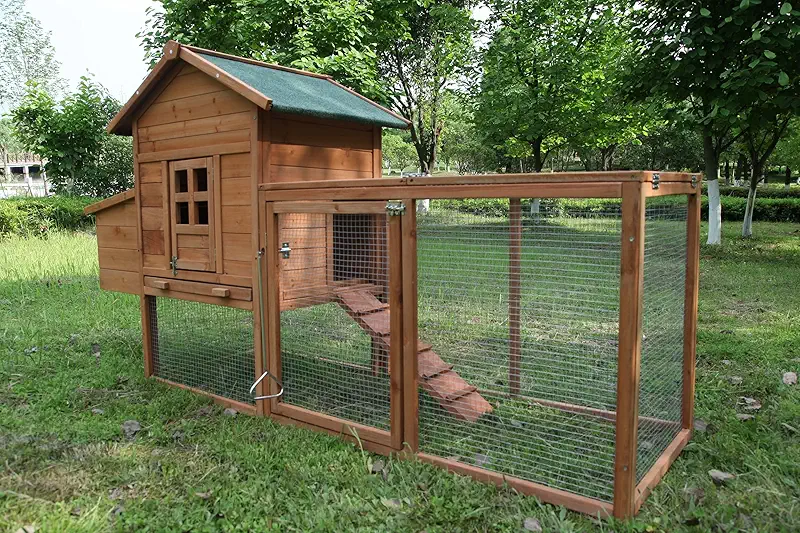
That little wooden house out back can be the coziest place on your land – if you set it up right.
In this guide I’ll walk you through how I think about a backyard coop: where to put it, what to look for in a ready-made coop, how to keep hens laying strong, and how to avoid the mistakes I made when I thought I “already knew enough”.
Why a backyard coop changes everything
Let me tell you something straight. The first morning you walk out in your slippers, coffee in hand, hear your hens murmuring, and collect warm eggs from a clean nesting box, you’ll wonder why you waited so long to put a chicken coop in the backyard.
When I started, I thought chickens were just “farm work”. Then they became part of the family rhythm. They eat kitchen scraps, scratch up bugs, turn bedding into compost, and in return they hand you breakfast. Not a bad trade for a little wooden house and a bit of grain.
Still, those first years I made plenty of mistakes. Coops too small, doors facing the wrong way, waterers that froze solid, and one ugly night when a raccoon taught me what “predator-proof” really means. I’d rather you learn from my scars than grow your own.
Before you bring a single hen home, your backyard coop should give them:
- Dry shelter from wind, rain, and snow.
- Good airflow without being drafty at roost level.
- Safe roosts to sleep off the ground.
- Quiet nesting boxes where they feel hidden and calm.
- Secure fencing to slow down every hungry critter around.
Get those five right, and the rest is fine tuning.
Picking the right chicken coop in backyard
These days there are more coop styles than there are chicken breeds. I’ve built coops from scrap lumber, converted old sheds, and used pre-made backyard coops that came on a truck. Each has its place, but for most busy folks, a solid ready-made coop is the easiest way to get eggs without spending your whole summer swinging a hammer.
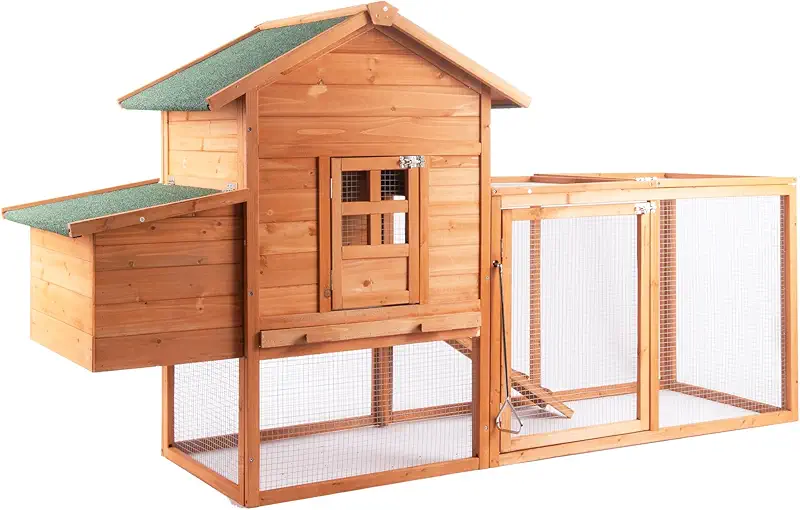

Different backyard coops, same goal: dry, safe, and simple to clean.
How many hens per coop?
I always say: “the catalog lies, the chickens don’t.” If a coop says it holds 6 hens, I read that as 3–4 hens if you want them truly comfortable.
- Inside the coop: aim for about 4 square feet per bird.
- Outdoor run: closer to 8–10 square feet per bird keeps peace in the flock.
- Roost space: at least 8–10 inches of perch per hen.
Crowded hens pick on each other, stop laying, and invite disease. Give them a little elbow room, and they’ll pay you back in calm, steady eggs.
Features that actually matter
I’ve seen plenty of cute coops that photograph better than they live. When I look at a chicken coop in the backyard, I care about:
- Roof: solid, no leaks, decent overhang to keep rain off the walls.
- Floor: raised off the ground to avoid damp and rot.
- Access doors: big enough so a grown adult can reach every corner with a rake.
- Nesting boxes: around 1 box for every 3–4 hens, easy to open from outside.
- Ventilation: vents near the top, covered with hardware cloth, not chicken wire.
Setting up a cozy home for laying hens
A chicken coop in the backyard is more than boards and nails. It’s a little village for your flock. If you set it up with their instincts in mind, they settle fast, lay better, and stay healthier.
Bedding that keeps things fresh
I’ve tried about every kind of bedding: straw, pine shavings, even sand. For most backyard folks, pine shavings in the coop and a bit of straw in the nesting boxes work just fine.
- Pine shavings: absorbent, easy to rake out, not too dusty if you buy decent quality.
- Straw in nests: hens like to shape it into a little bowl under them.
- Depth: I start with 2–3 inches and add a little fresh on top each week.
Once the bedding starts to smell like more than just “barn,” I shovel it into the compost pile. That mix of shavings and manure turns into garden gold if you give it a few months to mellow.
Roosts and nesting boxes
Chickens think like birds, because that’s what they are. They want to sleep up off the ground and lay eggs in quiet corners.
- Roosts should be higher than the nesting boxes, or they’ll try to sleep in the nests.
- A 2x4 board set wide-side up makes a good perch, easy on their feet in cold weather.
- Nesting boxes should feel dim and private, not bright and open.
- Put a little lip on the front of the nest to keep bedding and eggs from rolling out.


Good roosts and simple nests matter more than fancy trim.
Water, feed, and daily rhythm
Hens are creatures of habit. If you keep a simple routine, they meet you halfway.
- Morning: open the coop, quick glance at each bird, check water and feed. Toss a handful of scratch or kitchen scraps to keep them busy and happy.
- Midday: quick egg check if you’re nearby. In hot weather make sure water isn’t warm as soup.
- Evening: final egg collection, lock the coop once everyone is on the roost.
A backyard coop doesn’t need to take more than 10–15 minutes a day if it’s set up smart. You’ll spend more time standing there watching them than actually working. Ask me how I know.
Keeping predators and weather at bay
Out here, everything eats chicken. Raccoons, foxes, hawks, neighborhood dogs, even rats if you let feed spill around. When I think about a chicken coop in the backyard, I picture what’s trying to get in as much as the birds inside.
- Use hardware cloth (that tight wire mesh), not thin chicken wire, on windows and vents.
- Bury wire apron 8–12 inches around the run to slow down diggers.
- Secure latches that a clever raccoon can’t flip open like a toddler.
- Solid doors that close snugly at night.
- Shade and wind breaks for summer heat and winter storms.
Backyard coop through the seasons
Hens don’t mind cold as much as damp and drafts. I’ve had birds pecking around in the snow just fine, as long as their coop stayed dry and tight.
- Spring: deep clean the coop, fresh bedding, check for any winter damage.
- Summer: extra shade, plenty of cool water, good airflow up high.
- Fall: patch gaps, add extra bedding, make sure the roof is ready for snow or rain.
- Winter: keep water from freezing, avoid sealing the coop so tight that moisture builds up.
Every season I learn something new, but the basics stay the same: dry, clean, and protected.
My honest thoughts on ready-made backyard coops
Now, I’ll be honest. Some of the first store-bought coops I saw years ago looked more like dollhouses than proper shelters. Pretty, but flimsy. These days the better ones are much stronger, and for many folks they’re a good way to get started without a pile of tools.
When I look at a coop online, I imagine it after two years of real weather and real chickens. The paint isn’t fresh, the kids have slammed the doors, and a big storm has blown through. If I still trust it in my head, I’ll keep reading.
- Check framing and joints: thin boards and stapled joints don’t age well.
- Look for raised floors and solid roofs, not just decorative trim.
- Make sure measurements match your flock size, then mentally cut that “capacity” in half.
- Notice how the doors open and where you’ll stand to clean and collect eggs.


There’s a backyard coop for just about every yard and flock size.
One neighbor of mine started with four hens and a tidy little coop she ordered online. It was simple: good roof, enough room, and an easy cleanout door. She kept it swept, added fresh shavings every week, and those four birds kept her and half our lane in eggs for years.
The point is, you don’t need a palace. You need something solid that fits your space, your weather, and your patience for upkeep. A well-chosen chicken coop in the backyard is a tool, not a toy.
Take your time, picture where the coop will sit, and imagine walking out there on a dark winter evening. If you can see yourself doing that with a small smile, you’re on the right track.
I’ll compare some coops